
Acne
Acne is more than just a surface-level breakout, it is a complex condition rooted in inflammation, oil production, and skin cell turnover. At ORI, we move away from aggressive, one-size-fits-all solutions and instead focus on calming flare-ups while repairing the skin.
Our medical approach targets the source of acne to clear existing blemishes and reduce future scarring, helping you achieve a smooth, balanced, and healthy complexion.
WHAT CAUSES IT?
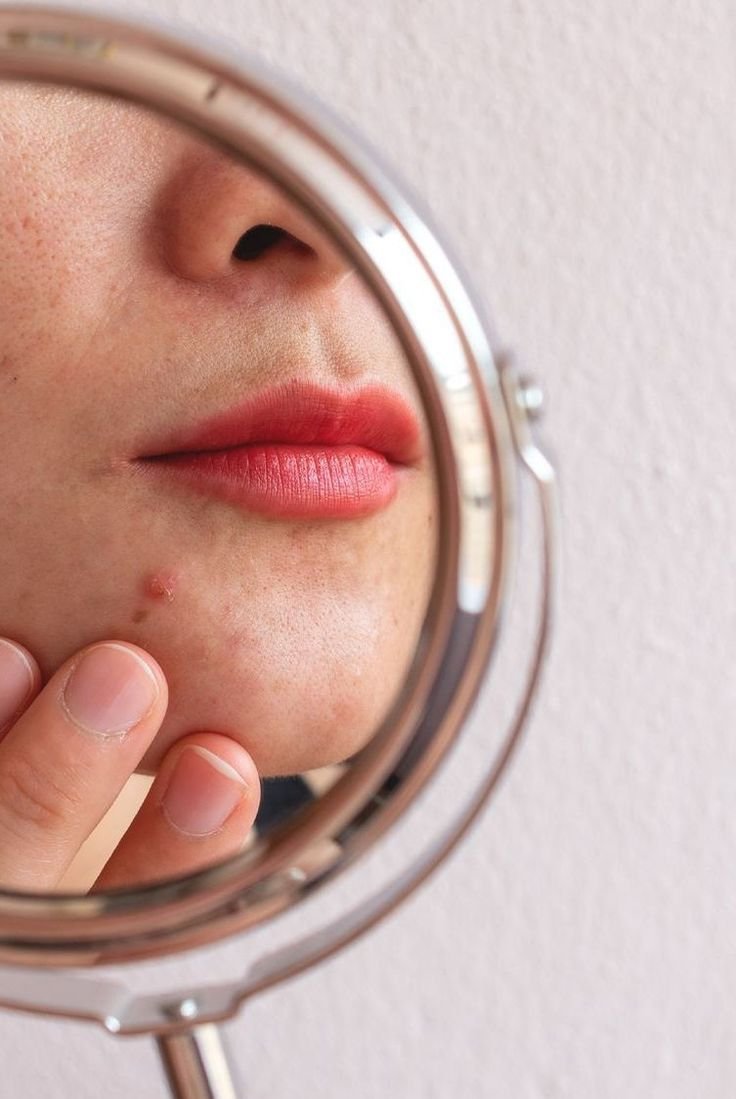
Acne starts deep inside your pores, and it is usually caused by a "traffic jam" of oil and skin cells. Your skin naturally produces an oil called sebum to keep your skin hydrated, but sometimes your body produces too much — often because of hormones or stress.
At the same time, old skin cells can get sticky and clump together instead of shedding away. When that extra oil and those sticky cells get trapped inside a pore, they create a plug that acts like a dam.
Once a pore is plugged, it becomes the perfect breeding ground for bacteria. As the bacteria multiply inside the pores, your body’s immune system rushes to the area to fight them off, which causes the redness, swelling, and pain we know as a pimple. Whether it is a small whitehead or a deep, painful pimple, the root cause is almost always this combination of too much oil, trapped cells, and the resulting inflammation.

HOW CAN I TREAT AND PREVENT?
Our approach to treating acne focuses on clearing active breakouts while repairing the skin barrier to prevent long-term damage like scarring.
Targeted Acne Medications: We utilise a range of prescriptive topicals and oral medication to speed up cell turnover, eradicate trapped bacteria, and balance oil production. For severe cases, we may discuss options like isotretinoin to shrink oil glands for a long-term solution.
Lasers: Instead of just treating the surface, lasers such as Picosecond Lasers and Fractional Lasers reaches the deeper layers of your skin to stop breakouts at the source by reducing extra oil and killing bacteria.
Microneedling Radiofrequency: This treatment is ideal for those with textured acne scars or oily skin. It uses heat to "re-build" collagen and can help regulate overactive oil glands, making the skin more resilient against future clogs.
Clinical Extractions & Peels: We use specialised medical formulas to dissolve the "sticky" dead skin cells that trap oil in your pores.
The key to preventing acne is maintaining a healthy environment for your pores so they do not become blocked. Managing your internal balance is essential, as factors like stress or hormonal shifts can trigger the overproduction of oil.
Finally, using a consistent, gentle routine—including daily sun protection to prevent post-acne marks from darkening—ensures your skin remains strong enough to shed dead cells naturally before they cause a clog.

FAQ
-
Many over-the-counter scrubs are too aggressive and end up damaging your skin barrier, which actually triggers the skin to produce more oil as a defense mechanism.
-
Picosecond laser is primarily used to address the red or dark spots—known as post-inflammatory hyperpigmentation—that remain after a breakout has healed. It is designed to shatter that pigment without overheating the surrounding healthy tissue, making it a safe way to clear the complexion once the active inflammation is under control.
-
Yes, because the heat from Microneedling Radiofrequency can help regulate overactive oil glands. By treating the skin at this deeper level, we are not just cleaning the surface, we are making the skin more resilient and less prone to oil build-up that starts the acne cycle in the first place.
-
Not at all. We typically reserve oral medications like Isotretinoin for severe or cystic cases that have not responded to other clinical treatments.
-
Squeezing a pimple often pushes the bacteria and trapped oil deeper into the pore, which can lead to much worse inflammation and permanent scarring.
-
It is actually more important than ever. Many acne medications, especially retinoids and certain antibiotics, can make your skin much more sensitive to the sun. Using a broad-spectrum SPF daily is a non-negotiable part of our treatment plan to prevent the sun from darkening your post-acne marks into permanent stains.