
Crow’s Feet
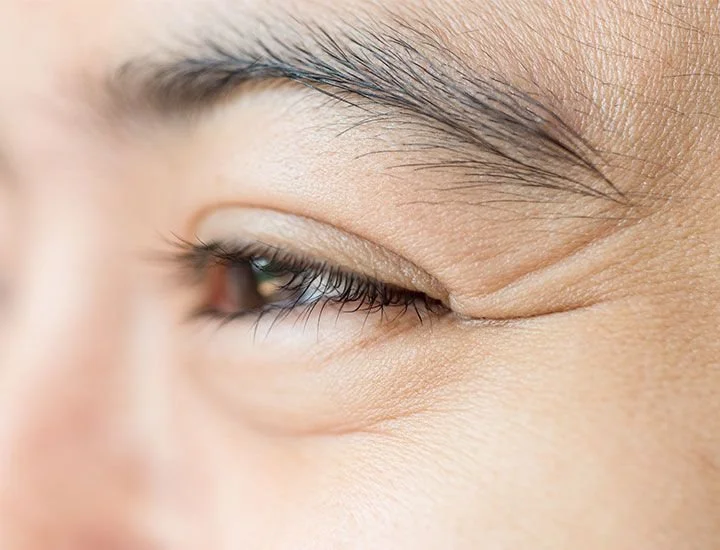
The skin surrounding the eyes is the thinnest on the body, making it the first area to show signs of expression and aging. At ORI, we treat crow’s feet by relaxing the tiny muscles that cause skin to crinkle when you smile or squint.
We also use treatments to thicken and "re-bounce" the skin in this area so it stays smooth even when you are not moving. Our approach softens these lines without making you look "frozen," leaving you with a bright, refreshed, and natural look.
WHAT CAUSES IT?
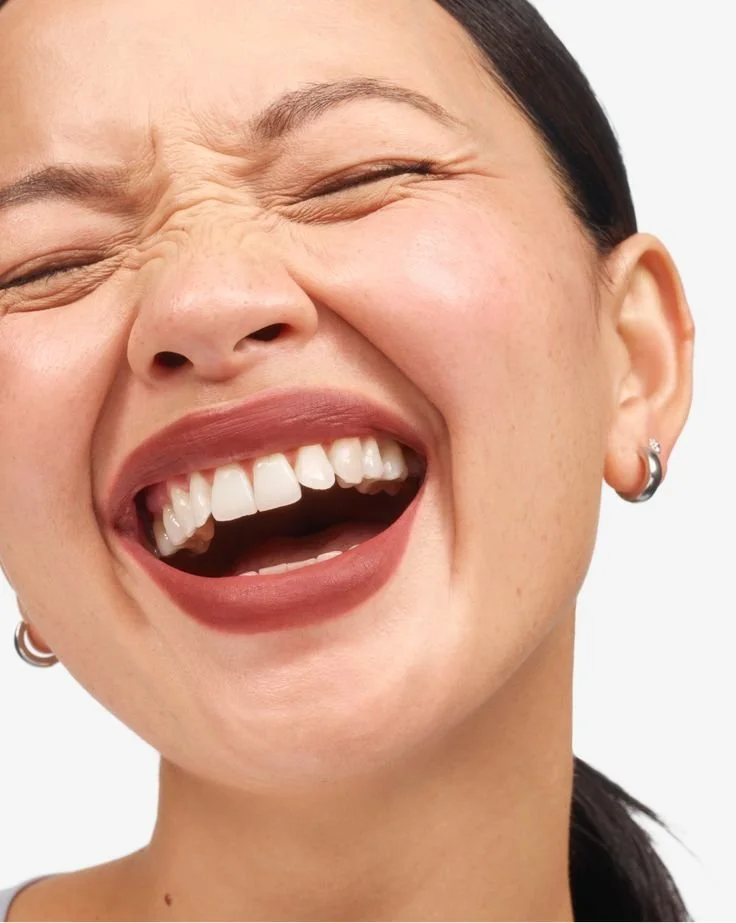
Crow's feet are primarily caused by the combination of thin skin and constant movement.
Every time you smile, squint, or laugh, the underlying muscles contract, folding that thin skin into tiny creases. Over years of repetitive movement— and as the collagen that provides "snap-back" begins to fade — those temporary folds eventually become permanent lines that stay visible even when your face is at rest. External factors like sun exposure and blue light from screens accelerate this process by further weakening the skin's foundation.
HOW CAN I TREAT AND PREVENT?
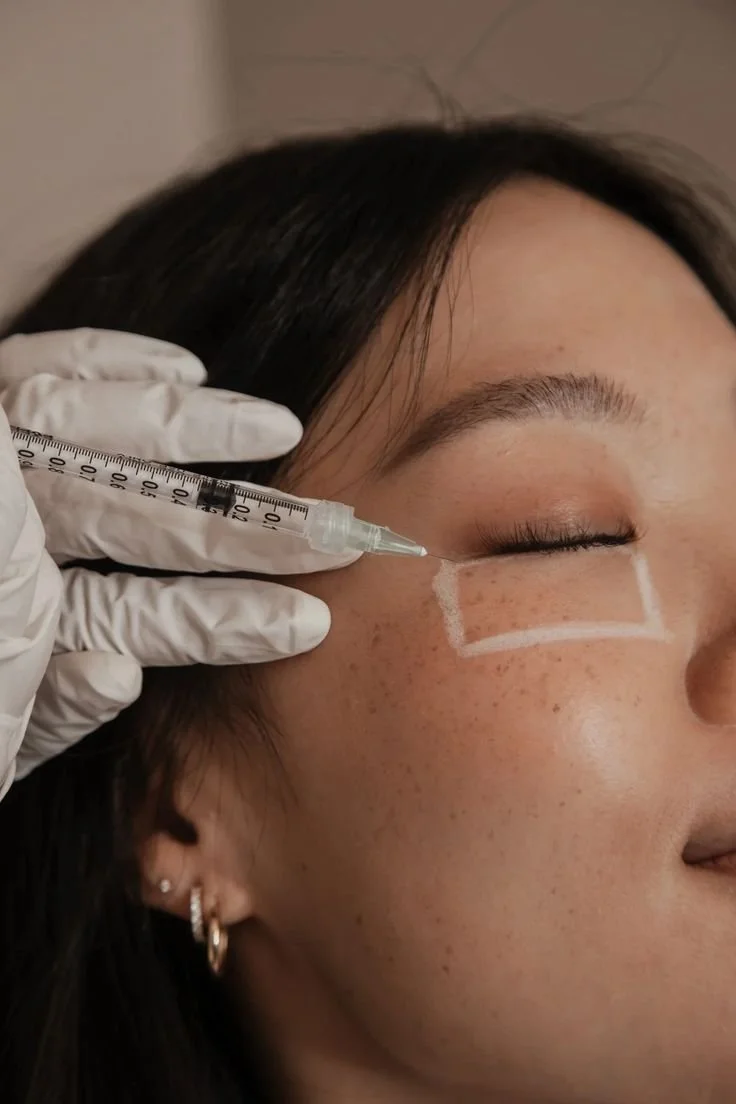
To treat crow’s feet, we focus on a "dual-action" strategy: relaxing the muscles that create the folds and rebuilding the thin skin so it can resist creasing.
Botulinum Toxin: This is an effective way to soften "active" lines. It gently relaxes the muscle responsible for squinting, allowing the skin to lay flat and smooth.
Microneedling Radiofrequency: We use specific, shallow settings to safely deliver heat to the eye area, which thickens the thin skin and tightens "crepey" texture.
PDRN: These skin healers are injected to intensely hydrate and repair the delicate eye area at a cellular level, improving elasticity and resilience.
Picosecond Lasers: For fine, etched-in lines, Picosecond technology uses ultra-fast pulses to resurface the skin and trigger collagen growth without significant downtime.
Prevention is all about reducing mechanical stress on the skin. Consistently wearing polarised sunglasses prevents the repetitive squinting that deepens these lines, while daily SPF application stops UV rays from dissolving the collagen you already have.
Additionally, using eye creams with retinoids or peptides helps maintain skin thickness, making it harder for the skin to "crack" into permanent wrinkles over time.

FAQ
-
Not at all. A fake look happens when the entire eye area is paralyzed.
We use a precision-point technique that only relaxes the outer edges of the muscle. This allows your cheeks to still lift naturally when you laugh and your eyes to maintain their "twinkle," while simply preventing the skin from folding into deep, sharp creases.
-
Because the skin around the eyes is so thin, it acts like a sponge. When you are dehydrated, that "sponge" dries out and shrinks, making every tiny etched line look like a deep canyon. This is why we sometimes combine muscle relaxants with PDRN—it re-inflates the skin cells with moisture so the surface stays plump and reflects light better.
-
Eye creams are excellent for hydrating the top layer of dead skin (the epidermis), but they cannot reach the muscle or the deep dermis where the "snap-back" fibers live. Think of eye cream as the "paint" on a wall; our clinical treatments are the "studs and framing" that actually hold the wall upright and smooth.
-
The eye area is sensitive, but we use "periorbital" tips designed specifically for this thin tissue. You will feel a quick prickle and a sensation of warmth, but it is far more comfortable than older technologies. The heat is precisely controlled to tighten the "crepey" texture without causing unnecessary stress to the delicate orbital area.
-
Yes, it can. "Sleep wrinkles" are different from expression lines; they are caused by the physical pressure of your face pressing into a pillow for eight hours a day. This mechanical shearing breaks down collagen.
-
There is no "magic number," but the best time to start is when you begin to see "resting lines"—lines that stay visible even after you stop smiling. Starting small "preventative" treatments at this stage keeps the skin from ever deeply etching, which is much easier than trying to iron out a deep, permanent fold later in life.
-
It depends on the treatment. Muscle-relaxing injections typically last 4 to 6 months. However, skin-building treatments like Polynucleotides or Radiofrequency create structural changes that can last for a year or more. Most of our patients find that a "hybrid" approach—mixing quick-fix relaxation with long-term skin thickening—yields the most natural and lasting results.