
Ingrown toe nail
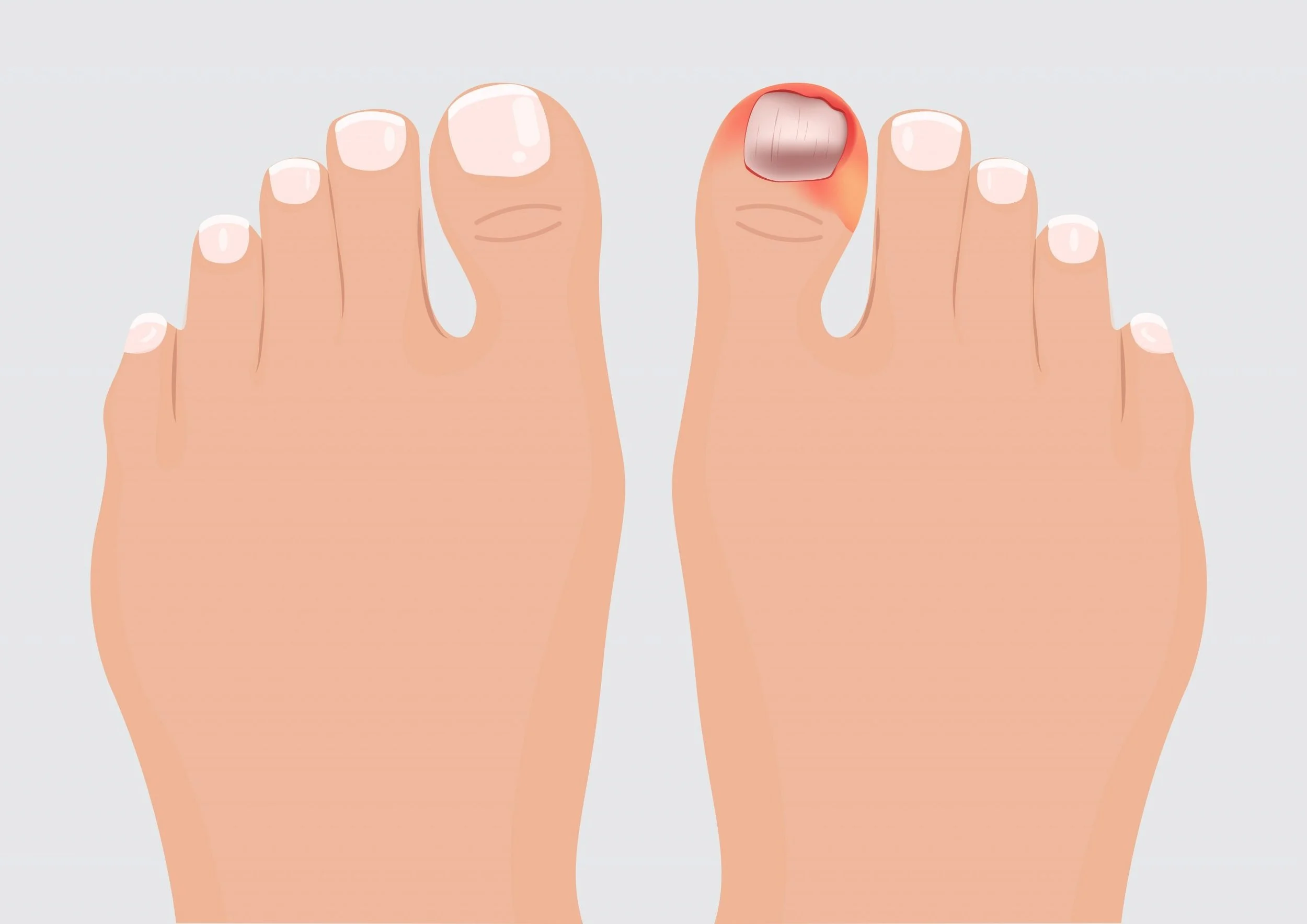
Dealing with an ingrown toenail requires prompt, professional care to relieve pain and prevent the infection from spreading. We focus on gently removing the edge of the nail that is piercing the skin while ensuring the area is properly sterilised for healing.
By using clinical techniques, we aim to provide relief and restore the comfort of your stride.
WHAT CAUSES IT?
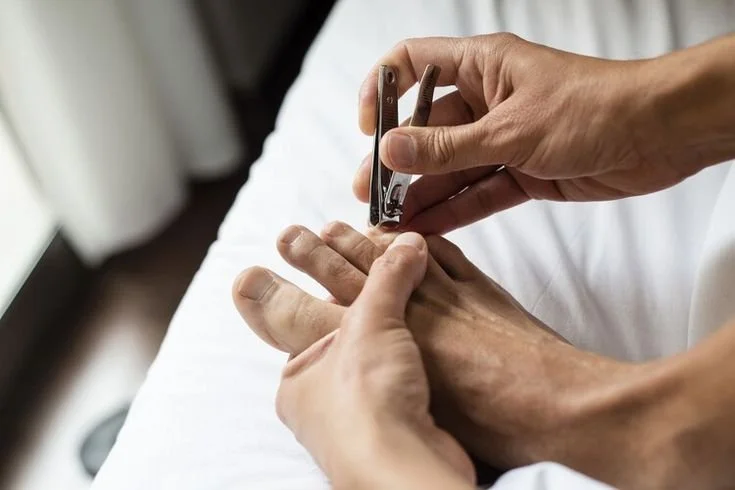
Ingrown toenails occur when the side or corner of your nail grows into the soft flesh of the toe. This is most commonly caused by trimming nails too short or rounding the edges, which encourages the nail to grow into the skin.
Wearing tight, narrow shoes that crowd the toes or experiencing a stubbed-toe injury can also force the nail to dig in and cause inflammation.
HOW CAN I TREAT AND PREVENT?
To treat an ingrown toenail, we focus on removing the painful nail edge and clearing any underlying infection to get you back on your feet quickly.
Partial Nail Avulsion: We carefully remove only the sliver of nail that is digging into your skin, providing immediate relief from pressure and pain.
Infection Management: If the area is swollen or discharging, we perform a minor surgical procedure to release any pus and and prescribe appropriate medication to clear the bacteria.
The best way to avoid ingrown nails is to trim your toenails straight across rather than rounding the corners. Ensure your shoes have a wide enough toe box so your toes are not squeezed together, and avoid cutting your nails too short, as this allows the skin to fold over the nail edge.
FAQ
-
Attempting this usually leaves behind a small, sharp spike of nail called a spicule deeper in the skin. This not only makes the pain worse but often introduces bacteria into the open wound, leading to a much more serious infection or abscess.
-
If you are prone to recurring ingrowns, it is likely due to the natural shape of your nail bed or improper trimming habits.
-
Most patients feel immediate relief and can walk comfortably right away. For high-impact activities like running or sports, we usually recommend a short break of 48 to 72 hours to allow the localised numbing to wear off and the initial healing to begin without friction.
-
In most cases, no. We prioritize Partial Nail Avulsion, where we only remove the small, problematic sliver (about 2–3mm) that is piercing the flesh.
-
Not at all, but it does mean the ingrowing nail has likely caused a localised infection. We combine the removal of the nail with partial nail avulsion and drain the pus-filled area, which stops the throbbing quickly.