
Pigmentation Removal
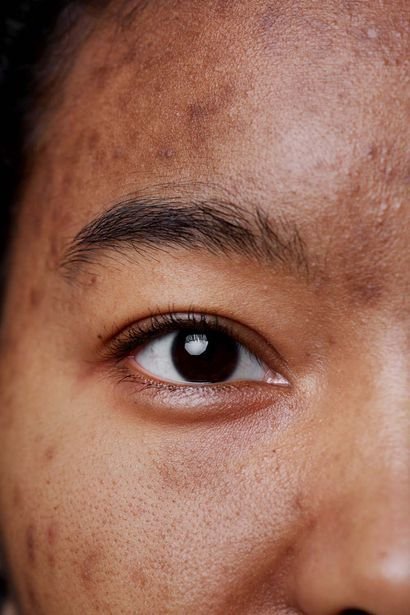
Uneven pigmentation is often the result of the skin’s natural defense system working overtime to protect itself from sun exposure or past inflammation. At ORI, we use technology to gently shatter excess pigment and restore a clear, balanced complexion.
By combining precision laser treatments with cellular repair, we do not just mask surface spots; we target the root of discoloration to help your skin stay bright and healthy.

WHAT CAUSES IT?
Skin pigmentation occurs when triggers cause your cells to produce excess melanin—the natural pigment your body uses to shield itself from damage. This overproduction is primarily driven by UV exposure from the sun, post-inflammatory marks left behind by acne breakouts, or internal shifts like hormonal fluctuations and stress.
This usually presents as localized sun spots, freckles, or stubborn dark marks remaining after a blemish has healed (also known as Post Inflammatory Hyperpigmentation). It can also manifest as deeper, symmetrical patches known as melasma, or as a general uneven skin tone that leaves the overall complexion looking dull and fatigued.

HOW CAN I TREAT AND PREVENT?
Treating skin pigmentation requires a careful approach that breaks down excess melanin while calming the skin to prevent the pigment from returning. Our goal is to clear existing spots and restore a natural, radiant glow to your complexion.
Picosecond Nd:YAG Lasers: This laser technology is designed to shatter pigment into tiny particles that allows your body to naturally it clear away.
Targeted Oral & Topical Medications: We utilise medicated topical creams to speed up cell turnover and suppress the production of melanin. In certain cases, oral medications may be prescribed to manage the internal triggers that cause deep-seated or hormonal pigmentation.
Chemical Peels: We use specific medical formulas to dissolve "sticky" dead skin cells and encourage fresh cell turnover. This process helps to gradually lift surface pigment and refine your skin's overall brightness.
PDRN & Polynucleotides: These "skin healers" work at a cellular level to repair the skin barrier and reduce the inflammation that often triggers pigment production.
Microneedling Radiofrequency: For those with uneven texture and pigmentation, this delivers heat deep into the skin to stimulate collagen and regulate the skin’s healing response.
The most effective way to keep your skin clear is to protect it from the triggers that signal your cells to produce extra melanin. Consistently using a broad-spectrum SPF is the most important step, as UV rays can darken existing spots and turn temporary marks into permanent stains.
You should also focus on maintaining your internal balance, managing stress and monitoring hormonal shifts can help reduce the chances of larger patches, like melasma, from forming.

FAQ
-
It is actually common for some spots to temporarily appear darker immediately after treatment with Picosecond Nd:YAG lasers. This is a sign that the pigment has been successfully shattered and is rising to the surface to be naturally shed by your body.
-
While medicated topical creams are excellent for suppressing melanin production on the surface, they often cannot reach the deeper layers of the skin where hormonal pigmentation like melasma lives. We typically use them as a "maintenance" tool alongside lasers to ensure the pigment does not return.
-
PDRN and Polynucleotides reduce the chronic inflammation that signals your cells to overproduce melanin. By strengthening your skin barrier, these treatments stop the "alarm" from going off in your skin, reducing the red or dark marks that usually follow a breakout or injury.
-
Yes. Oral medications help manage the internal triggers of pigmentation, but they do not provide a physical shield against UV rays.
-
Yes, because chemical peels dissolve the "sticky" dead skin cells on the surface to reveal fresh, new skin. This new layer is more vulnerable to UV damage. It is essential to be extra diligent with sun protection following a peel to prevent rebound pigmentation.
-
Many people deal with both uneven texture and dark spots simultaneously. Microneedling Radiofrequency delivers energy deep into the skin to stimulate collagen and regulate the healing response, providing a smoother "canvas" while the lasers work specifically on the colour.
-
Your skin often reflects what is happening inside your body; stress and hormonal shifts can trigger a surge in melanin production. By managing these internal factors, you can prevent the deep-seated patches, like melasma, that are the most difficult to treat with surface-level products alone.